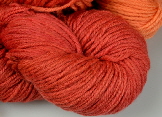
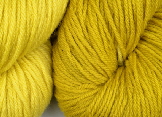
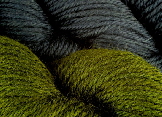
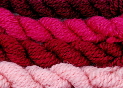
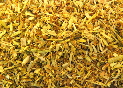
Natural dyes produce an extraordinary diversity of rich and complex colours that complement each other.
Natural dyes from plants may also have dozens of compounds and their proportions vary with soil type and the weather. If you look at a yarn dyed with madder under the microscope, you will see a subtle variation of colour. A yarn dyed with the synthetic equivalent of madder (alizarin and purpurin) does not have this wealth of colour variation and looks much more uniform.
Brian Murphy says that natural dyes are vastly superior to synthetic dyes. They age well and develop a patina and an abrash as the older textiles are exposed to sunlight and normal use. The patina is a mellowing of the colours into an eye-pleasing sheen and the abrash is the slightly uneven hues that emerge as different dye lots, even of the same colour, fade at different rates as they age. All of these factors combine in making natural dyes the ideal choice for use as organic fabric dyes.
‘No synthetic dye has the lustre, that under-glow of rich colour, that delicious aromatic smell, that soft light and shadow that gives so much pleasure to the eye. These colours are alive.’ Violetta Thurston.
Advantages of natural dyes
High diversity of rich and complex natural dye colours
Different colours go well together and rarely clash
Beauty of the results when using natural dyes
Excitement of unexpected results
Satisfaction of growing your own dye plants
Self-sufficiency if growing your own plants for plant dyes
Not dependent on non-renewable materials
Allow for endless experimentation
Allow the replication of ancient techniques
Mature with age exposed to sunlight & normal use, developing a patina as colours mellow
Aromatic smell when simmering the plants.
Disadvantages of natural dyes
Require large quantities in comparison to chemical dyes. However, many natural dyes are now sold as natural dye extracts which don’t require large quantities, and small amounts of cochineal, brazilwood and logwood dye large amounts of fibre
Longer time required for natural dyeing. However, if you are using the sun as an energy source, you can leave the dye vat unattended for a long time and natural dye extracts are quick to use
Natural dyeing may be more costly - but the main cost is your time if you grow your own plant dyes.
About Synthetic Dyes
Require more calculation and precise measurement
Require skill to find colours that go well together
Colours often look bright and garish
Lack the individual variation of different dye lots and can be too uniform
Good chemical dyes are more resistant to fading than natural dyes
Chemical dyes fade rather than mature
Produce quick results that can be repeated accurately