New!
Natural dyes & dye plant seeds
for sale

Buy WildColours Dyes with PayPal
Cochineal Dyeing

Cochineal (Dactylopius coccus)
1. Biology
2. History
3. Dyeing with Cochineal


Cochineal
for sale here

Other reds include
1. Madder
2. Brazilwood,
3. Safflower
3. St John’s Wort, Ladies’ Bedstraw & Dyers’ Woodruff
 

Biology
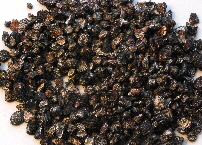
Dried cochineal as soldCochineal is the only natural dye on this website that does not come from a plant.

Dried cochineal looks like small silver-grey peppercorns. Before microscopes where in use, European scientists argued for a long time as to whether cochineal was a plant, an animal or a mineral.

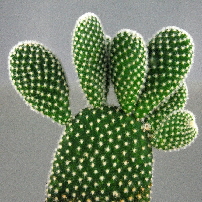
Small Opuntia cactusWe now know that cochineal is a female scale insect that lives on prickly pear cactus plants (Opuntia or nopal). Scale insects are plant-sucking bugs that are covered by a white fluffy coating and produce carminic acid to deter predators. Crimson, fuchsia, raspberry and scarlet reds can be extracted from cochineal. The red colorant is used in drinks (e.g. Campari) and in foods (under the code E120), and in drugs and cosmetics.

4mm dried cochineal insects enlargedKermes, Lac and St John’s Blood are produced from scale insects that are closely related to cochineal insects.

It takes about 155,000 cochineal insects to produce 1 kilo of cochineal.
Back to Top


History
Cochineal is an ancient dye, and its use probably dates back to at least 1500 BC in Mexico, its original habitat, but it was first imported into Europe in the sixteenth century.

Mexican cochineal was one of the main exports of the Spanish empire from the New World and as important as gold or silver. At present, Peru exports 200 tonnes a year but other countries, including Mexico and the Canary islands, also cultivate cochineal.

Red was an expensive colour to produce in medieval times and red clothes were a important status symbol. Cochineal produced a deeper and longer lasting red than madder, so it was highly valued. In the nineteenth century, when artificial dyes were developed, the production of cochineal declined markedly; red became very cheap to produce, and was no longer valued.
The distinctive redcoats of the British Army were dyed with cochineal.
Back to Top


Dyeing with Cochineal

Proportions
Cochineal may look expensive but 25 grams of cochineal will dye a pound (450 grams) of wool a good red, and another pound or two pink. 5 grams of cochineal should be enough to dye a pound of wool pink. For a special project that requires a deep blood red, you can use 100 grams of cochineal to a pound of wool. When you take the first batch of fibre out of the dye bath, you can add more fibre for paler but still beautiful colours. A cochineal bath takes a long time to exhaust.
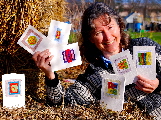
Cochineal dyed silk and wool
Fibres
Cochineal works best with silk or wool, rather than cotton. Make sure the fibre is well scoured and washed before dyeing. Soak the fibres in water overnight or at least for a couple of hours before dyeing.

Mordants
You need to mordant your fibres with alum (see Mordants section) before dyeing them with cochineal and you can obtain several different types of red with cochineal, using different mordants. To produce scarlet you can add a small amount of tin to the wool at the end of the dyeing process. Cream of tartar alters the colour towards crimson. A small amount of lemon juice shifts the colour towards orange.

Water
It is important to use soft water when dyeing with cochineal. If you live in a hard water area, collect rain water or use distilled water. Hard water gives very pale colours with cochineal, apparently due to the dye bonding to impurities of the water rather than bonding to the fibres.

Grinding
Most books suggest grinding the cochineal using either a pestle and mortar or an electric coffee grinder reserved just for dyes. Be careful when using a coffee grinder as the fine powder gets everywhere. A small brush or a large, stiff feather may be useful in removing the powder from the coffee grinder.

This instruction prevented me from using cochineal for a long time, however, as I had neither a spare pestle and mortar nor a coffee grinder. Eventually, I discovered an easier and less messy method. Put some cochineal in a strong polythene bag, close the bag well with adhesive tape and gently roll a rolling pin over the bag until all the cochineal is ground (don’t use a grip seal bag, which will burst if you do this).
Back to top

Dyeing
Boil about a pint of soft water, pour it over the ground cochineal and leave the powder to soak overnight. The next day, add more soft water to your dyeing vessel leaving enough space for the fibres. Heat the cochineal to near boiling for 15 to 20 minutes.

Let the water cool a little and then filter the dye bath through a coffee filter reserved just for cochineal (it is worth saving the filtered particles for another bath). When our coffee machine broke, I saved the gold coffee filter for this purpose, but you can also use a paper filter. If you do not filter the cochineal you will be forever washing the tiny particles out of the fibres.

Add the mordanted fibres, aiming for no more than 100 grams of fibre (dried weight) per 10 litres of water, or 50 grams of fibre if you are using a 5 litre saucepan. I prefer to divide my fibre into three parts, and add them at different stages to obtain a range of shades.

Leave the fibres overnight, or if you prefer, simmer the fibres gently at low temperature for about 40 minutes. Remove the fibres from the dye bath and let them dry and cure for a couple of day before washing them.

I save the dye bath by pouring it through a funnel into a very clean plastic bottle. I fill the bottle to overflowing and put the screw cap on. This is best kept in a fridge, but mine keeps well out of the fridge for several weeks.

Over-dyeing
Woad over-dyed with cochineal produces beautiful purples. Over-dyeing cochineal with madder produces a true red.


Back to other reds including

Madder
Brazilwood
Safflower
Ladies' Bedstraw, Dyers' Woodruff, & St John's Wort


Top of Page

Website and photos by Mike Roberts                 © 2006-08 WildColours
Page last updated 17 June 2008

[Contact us] [Dye orders] [About us] [Sitemap] [Links]