|
Logwood, Alkanet and False Alkanet are the principal blue dyes apart from woad and indigo.
1. Logwood
2. Alkanet
3. False Alkanet
1. Logwood (Haematoxylum or Haematoxylon campechianum)
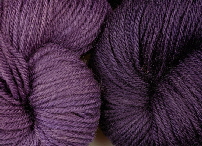
The tree comes from Mexico and Belize in Central America and the wood chips produce violet, purple, black and grey colours. Read more about dyeing with logwood here.
2. Alkanet (Alkanna tinctoria)
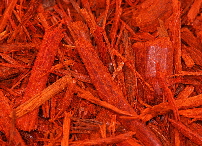
Two plants of the borage family are called alkanet and there is some confusion in the literature as to which is which. Alkanna tinctoria is the true alkanet, and its roots produce a purple dye used in textiles and soap - read more about alkanet here...
3. False Alkanet (Anchusa officinalis)
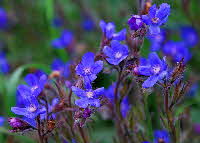
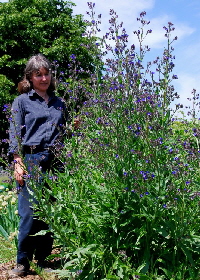
This plant is also known as Common Bugloss or Common Anchusa and is a perennial plant of the Borage family like true Alkanet.
It grows to nearly two metres tall, is very hairy, and has beautiful deep blue flowers. However, as far as I know, it does not produce any dye.
Top of Page
|